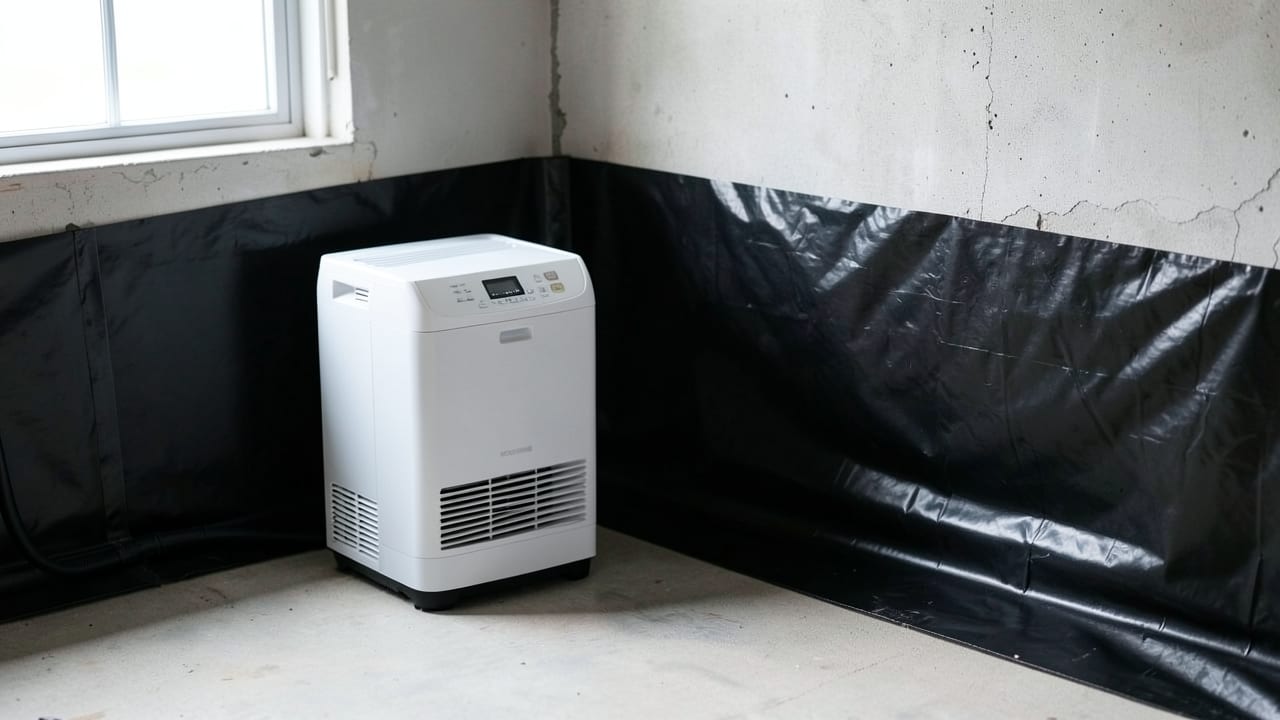
Mold Prevention & Moisture Control
Mold prevention and moisture control in Redington Beach, FL — addressing ventilation, humidity, and drainage before growth starts, not after.
In Redington Beach’s humid subtropical climate, mold prevention and moisture control stop growth before it starts by managing humidity, ventilation, and water intrusion. Our assessments identify risks, and targeted solutions like dehumidifiers, proper grading, and exhaust fans keep your home dry year-round, even during hurricane season.
Why Redington Beach Homes Need Proactive Moisture Control
Redington Beach’s warm, humid air and frequent rain can create ideal conditions for mold if moisture isn’t managed. Indoors, humidity above 60% can support mold growth on dry surfaces over time, while poor ventilation traps moist air inside walls, attics, or crawl spaces.
We also handle Sunroom Mold Remediation and Hallway Mold Remediation for Redington Beach properties.
Outdoors, improper grading or clogged gutters can direct water toward your foundation, seeping into basements or crawl spaces. A prevention assessment pinpoints these vulnerabilities before mold takes hold, saving you costly remediation later.
Signs Your Home Needs Moisture Control
Musty odors, condensation on windows, or peeling paint often signal excess moisture. Water stains on ceilings or walls, or warped flooring, can indicate leaks or poor drainage. Even without visible mold, persistent humidity or poor airflow can create hidden risks.
Common Moisture Red Flags in Redington Beach Homes
- Musty smells in basements, attics, or bathrooms
- Condensation on windows or pipes
- Peeling or bubbling paint or wallpaper
- Water stains on ceilings or walls
- Cracked or warped flooring near exterior walls
- Gutters discharging water too close to the foundation
Custom Solutions for Your Property
No two homes are the same, so we tailor moisture control to your property’s needs. This might include installing a dehumidifier in a crawl space, repairing or upgrading exhaust fans in bathrooms and kitchens, or improving attic ventilation to prevent condensation.
Exterior fixes like regrading soil or extending downspouts can also make a big difference. Our prevention assessment identifies the most effective improvements, and we provide a clear quote for the work.
| Solution | When It’s Needed | Impact |
|---|---|---|
| Dehumidifier (crawl space/basement) | High humidity in enclosed spaces | Keeps humidity below 60% |
| Exhaust fans (bathroom/kitchen) | Poor ventilation in moisture-prone areas | Removes moist air before it condenses |
| Attic ventilation upgrade | Condensation or mold in attic | Balances intake/exhaust to reduce humidity |
| Grading and gutter adjustments | Water pooling near foundation | Prevents moisture from reaching crawl spaces |
How Mold Prevention & Moisture Control Works
Our process starts with identifying risks and ends with long-term protection for your home.
- 1Assessment
We inspect your home’s interior and exterior for humidity levels, ventilation gaps, and water intrusion points. This includes checking attics, crawl spaces, bathrooms, and gutters.
- 2Custom Plan
Based on the assessment, we recommend targeted solutions like dehumidifiers, exhaust fans, or drainage improvements, with a clear quote for the work.
- 3Implementation
Our team installs or upgrades systems to control moisture, such as sealing crawl spaces, venting bathrooms to the outside, or regrading soil around your foundation.
- 4Follow-Up
We verify that humidity levels stay below 60% and that ventilation systems are functioning properly, ensuring long-term protection.
Frequently Asked Questions
How much does a mold prevention assessment cost in Redington Beach?
Pricing depends on your home’s size and the scope of the assessment. A standalone visit starts around $200, with bundled options available if you also need an inspection. Call for a custom quote.
Will a dehumidifier alone solve my moisture problem?
Not always. A dehumidifier helps in enclosed spaces like basements or crawl spaces, but you may also need ventilation upgrades, grading adjustments, or gutter repairs to address the root cause of moisture.
How often should I run my bathroom exhaust fan?
Run it during and for at least 20 minutes after showering to remove moist air. Ensure it’s vented outside, not into an attic, to prevent condensation buildup.
Can I prevent mold without professional help?
You can take steps like using a dehumidifier, fixing leaks promptly, and ensuring gutters are clear, but a professional assessment ensures no hidden risks are missed, especially in Redington Beach’s climate.
See Gulfport, FL for more, or see the mold remediation work we do around Redington Beach in full for our complete lineup.
Ready to get started?
Talk to a local mold remediation pro in Redington Beach — get a written quote.
Other Mold Remediation Services in Redington Beach

Sunroom Mold Remediation in Redington Beach, FL
Professional removal and treatment of mold in sunrooms to restore a safe, clean space.
Learn More
Hallway Mold Remediation in Redington Beach, FL
Professional removal and treatment of mold growth in residential hallways.
Learn More
HOA Mold Remediation in Redington Beach, FL
Professional mold removal and remediation for HOA properties to restore safe, healthy living conditions.
Learn More
Retail Store Mold Remediation in Redington Beach, FL
Professional mold removal and remediation for retail stores to restore safe, clean environments.
Learn More
Clinic Mold Remediation in Redington Beach, FL
Professional mold removal and remediation to restore safe, healthy indoor spaces.
Learn More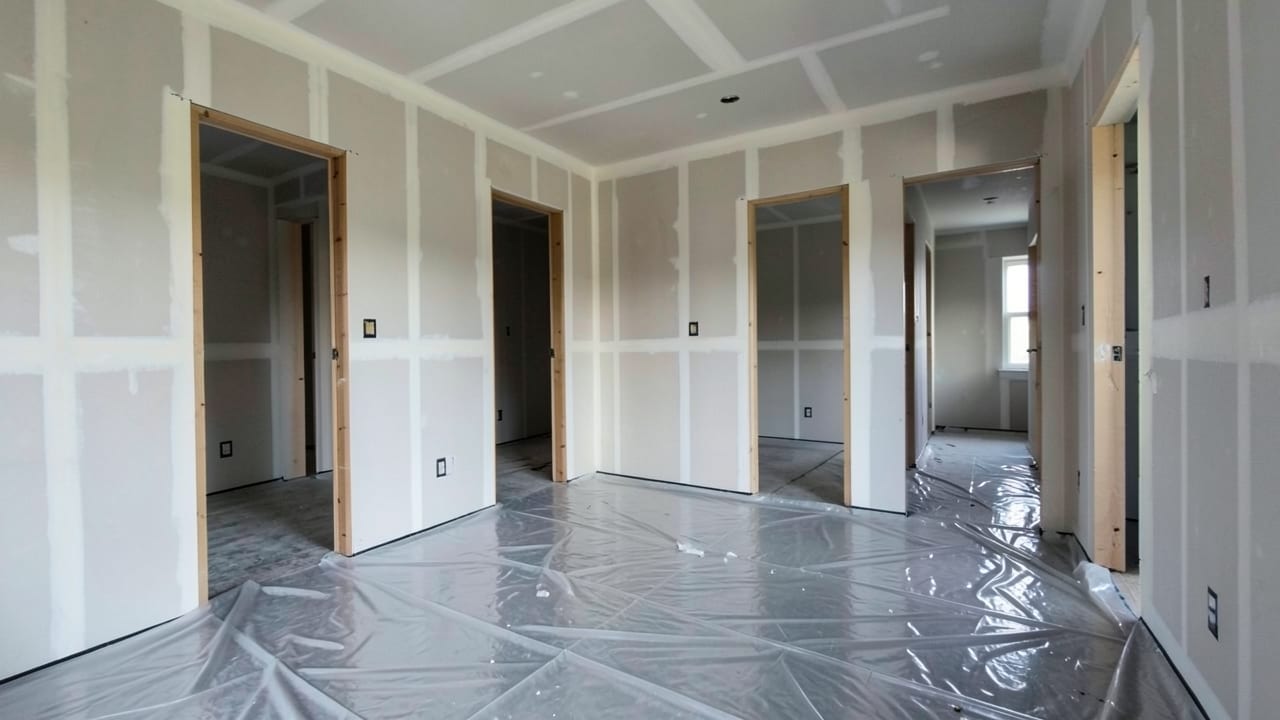
New Construction Mold Remediation in Redington Beach, FL
Professional mold removal and prevention in newly built homes to ensure safe, clean living spaces.
Learn MoreCommon Questions About Mold Remediation in Redington Beach
Everything you need to know about mold remediation services in Redington Beach
How much does Mold Prevention & Moisture Control typically cost in Redington Beach, FL?
Why does Redington Beach, FL's humidity make mold a bigger risk than in drier regions?
Does mold mean the same thing as mildew?
Does homeowners insurance typically cover mold remediation?
Is black mold actually more dangerous than other mold types?
How long does a typical mold remediation job take?
Need Mold Remediation in Redington Beach?
Connect with local providers in Redington Beach for a detailed quote.
⏰ We answer your call • Serving all of Redington Beach and surrounding areas