How to Spot Early Signs of Mold Regrowth in Redington Beach
Mold regrowth often goes unnoticed until it becomes a major problem, especially in humid coastal areas like ours. We’ve seen firsthand how catching it early saves homeowners from extensive remediation and structural damage. Here’s how to spot the subtle signs before they escalate.
Why Mold Regrowth Is a Silent Threat in Coastal Homes
Our Florida climate—warm, humid, and prone to sudden storms—creates the perfect breeding ground for mold. Even after professional remediation, spores can linger and reactivate with the slightest moisture.
Redington Beach, Redington Shores, and North Redington Beach homes often face recurring issues due to proximity to the Gulf, high humidity, and older construction with poor ventilation.
Visual Clues You Might Be Missing
Tiny black, green, or white specks on walls, ceilings, or baseboards are classic red flags. But regrowth can also appear as faint discoloration or streaks, especially on drywall or wood.
Check hidden spots: behind furniture, under sinks, and around window frames. In attics or crawl spaces, look for dark staining on wood or insulation—common in Madeira Beach and Treasure Island homes with poor airflow.
Angle a bright light across surfaces to reveal subtle texture changes or discoloration that overhead lighting misses.
The Nose Knows: Musty Odors Are a Giveaway
A persistent earthy or musty smell is often the first sign of hidden mold. These odors are caused by microbial volatile organic compounds (MVOCs) released by active mold colonies.
If the scent lingers after cleaning, it’s likely mold is growing in a concealed area like inside walls, under flooring, or within HVAC ducts. This is especially common after water damage in low-lying areas.
Moisture: The Root Cause of Regrowth
Mold cannot grow without moisture. Even high humidity (above 60%) can sustain spores. After remediation, unresolved leaks, condensation, or poor drainage will invite regrowth.
In Redington Beach, we often see issues stem from AC drip pans, plumbing leaks, or stormwater intrusion. A moisture meter can help pinpoint problem areas before mold reappears.
Hidden Hotspots: Where Mold Loves to Return
Attics with poor ventilation trap heat and moisture, leading to mold on sheathing or rafters. Crawl spaces, especially in older homes in North Redington Beach, often suffer from standing water or damp soil.
Bathrooms, kitchens, and laundry rooms are high-risk due to frequent water use. Don’t overlook HVAC systems—mold in ductwork can spread spores throughout the entire home.
| Area | Likely Cause | Early Signs |
|---|---|---|
| Attic | Poor ventilation, roof leaks | Dark stains on wood, musty odor in upper floors |
| Crawl Space | Ground moisture, poor drainage | White or black growth on joists, damp insulation |
| Bathroom | Leaky pipes, high humidity | Grout discoloration, peeling caulk |
| HVAC Ducts | Condensation, dirty filters | Musty smell when AC runs, visible mold near vents |
| Basement | Flooding, poor sealing | Water stains, efflorescence on walls |
Health Symptoms That Signal a Problem
Unexplained allergies, respiratory issues, or skin irritation can indicate mold exposure. Symptoms often worsen at home and improve when you’re away.
Children, the elderly, and those with compromised immune systems are most vulnerable. If multiple household members experience symptoms, it’s a strong sign to investigate for mold.
Chronic coughing, sneezing, or headaches linked to time spent indoors may mean mold is present. Seek a professional inspection if symptoms persist.
DIY Detection vs. Professional Inspection
Surface testing kits can confirm mold, but they won’t identify hidden growth or the extent of contamination. Air quality testing, which we perform, measures spore counts and types in the air.
For peace of mind, especially after past issues, a thorough mold inspection with moisture mapping and thermal imaging is the gold standard. This is critical in high-risk areas like Treasure Island, where flooding is common.
Preventing Regrowth After Remediation
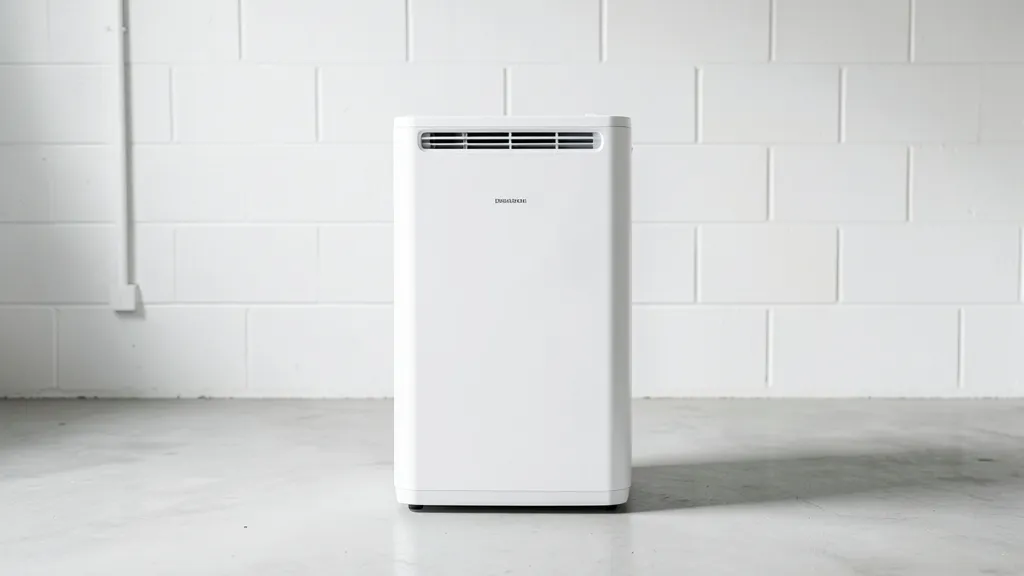
Controlling moisture is key. Use dehumidifiers in basements and crawl spaces, ensure proper grading around your home’s foundation, and fix leaks promptly.
Improve airflow with exhaust fans in bathrooms and kitchens, and consider a whole-home ventilation system. Regularly clean and inspect HVAC ducts to prevent spore circulation.
Post-Remediation Mold Prevention
- Monitor humidity levels with a hygrometer (keep below 60%)
- Inspect roofs, gutters, and downspouts for leaks or clogs
- Use mold-resistant products (e.g., paperless drywall) in repairs
- Schedule annual mold inspections, especially in high-risk areas
- Clean and dry water-damaged areas within 24-48 hours
How to Inspect for Early Mold Regrowth
A systematic approach helps you catch regrowth before it spreads.
- 1Gather Tools
Use a flashlight, moisture meter, and protective gear (gloves, mask). A hygrometer helps track humidity levels.
- 2Check High-Risk Areas
Focus on attics, basements, crawl spaces, and around plumbing. Pay extra attention to areas with past water damage.
- 3Look for Visual Signs
Scan for discoloration, staining, or fuzzy growth. Use your flashlight at low angles to spot subtle changes.
- 4Follow Your Nose
Musty odors often lead to hidden mold. Trace the smell to its source, even if it means moving furniture or inspecting behind walls.
- 5Test for Moisture
Use a moisture meter to check walls, floors, and ceilings. Elevated readings (above 15-20%) indicate a potential problem.
- 6Document Findings
Take photos and notes of any suspicious areas. This helps professionals assess the situation during a follow-up inspection.
Frequently Asked Questions
How quickly can mold regrow after remediation in Redington Beach?
Mold can begin regrowing within 24-48 hours if moisture returns. In our humid climate, unresolved leaks or high humidity can trigger regrowth within weeks. Regular moisture control is critical to prevent this.
Can I just bleach mold to prevent regrowth?
Bleach only removes surface mold and doesn’t address the root cause—moisture. It also doesn’t kill spores embedded in porous materials like drywall or wood. Professional remediation and moisture control are necessary for long-term solutions.
Why does mold keep coming back in my attic?
Attics in Redington Beach often suffer from poor ventilation and roof leaks. Insufficient airflow traps moisture, while leaks introduce water. Adding soffit vents, ridge vents, or a dehumidifier can help. An inspection can identify specific issues.
Is mold regrowth covered by homeowners insurance?
Coverage varies. Most policies cover mold damage if it’s the result of a sudden, accidental event like a burst pipe. However, they often exclude mold caused by neglect or long-term humidity. Review your policy and document the cause carefully.
What’s the difference between mold testing and inspection?
A mold inspection is a visual and physical assessment of your property for signs of mold and moisture. Mold testing involves collecting air or surface samples to identify spore types and concentrations. Both are often needed for a complete picture.
How do I know if my HVAC system has mold?
Signs include a musty smell when the system runs, visible mold near vents or ductwork, or increased allergy symptoms indoors. A professional can inspect your ducts and perform air quality testing to confirm mold presence.