Expert Tips to Prevent Mold in Your Redington Beach Garage
Garages in Redington Beach are prime targets for mold thanks to Florida’s humidity, poor airflow, and stored organic materials. Left unchecked, mold can spread to your home or require costly remediation. We’ll show you how to stop it before it starts.
Why Garages in Redington Beach Are Mold Magnets
Our coastal climate delivers high humidity year-round, especially during summer. Garages trap this moisture, creating ideal conditions for mold spores to colonize.
Concrete floors and walls absorb moisture from the ground and air. Without proper sealing, they feed mold growth on cardboard, wood, or fabric stored inside.
Poor ventilation in attached garages also allows humid air from laundry rooms or bathrooms to migrate in, accelerating mold development on walls and ceilings.
Signs Your Garage May Already Have a Mold Problem
Musty odors are the first red flag. If your garage smells earthy or stale, mold may already be present on hidden surfaces like drywall or insulation.
Visible spots—black, green, or white—on walls, ceilings, or stored items confirm active growth. Don’t assume it’s just dirt; mold thrives in dusty, undisturbed corners.
Condensation on windows or metal surfaces signals excess moisture. In Redington Beach, this often means your garage lacks proper airflow or moisture barriers.
If you see or smell mold, avoid disturbing it. Disturbing colonies releases spores, worsening indoor air quality. Request a professional mold inspection immediately.
Moisture Control: The Foundation of Mold Prevention
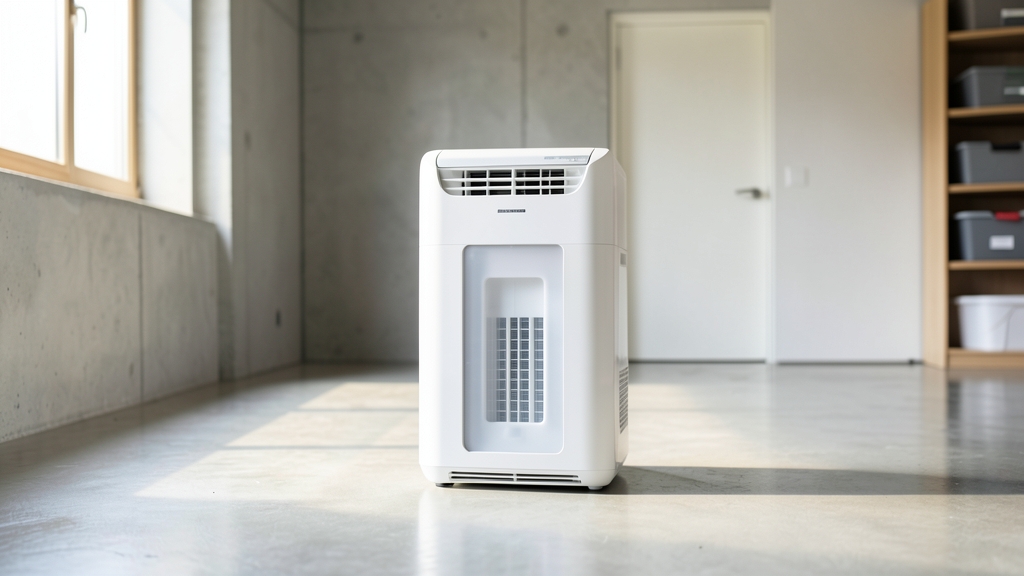
Start with a dehumidifier rated for garage use. In our area, aim to keep relative humidity below 50% to starve mold spores of the moisture they need.
Seal concrete floors and walls with a vapor barrier or epoxy coating. This blocks ground moisture from seeping in, a common issue in older Redington Beach homes.
Ensure proper grading around your garage. Water should flow away from the structure, not pool near the foundation where it can seep inside.
Ventilation Solutions for Humid Florida Garages
Install exhaust fans or vents to circulate air. Even a simple louvered vent can reduce humidity if placed opposite a door or window to create cross-ventilation.
For attached garages, consider extending your HVAC system or adding a dedicated mini-split. Controlled climate prevents the temperature swings that cause condensation.
Solar-powered attic fans can also help if your garage shares a roof with your home. They pull humid air out before it settles into your space.
| Solution | Effectiveness | Cost Factors | Best For |
|---|---|---|---|
| Exhaust Fan | High | Unit size, installation complexity | Detached garages, high humidity |
| Louvers/Vents | Moderate | Number of vents, labor | Budget-friendly, natural airflow |
| HVAC Extension | Very High | Ductwork, system compatibility | Attached garages, whole-home integration |
| Solar Attic Fan | Moderate-High | Panel size, roof access | Eco-friendly, long-term savings |
Storage Practices to Reduce Mold Risk
Avoid storing cardboard, paper, or fabric directly on concrete floors. Use plastic bins with tight lids, elevated on shelves or pallets to allow airflow underneath.
Inspect stored items regularly for signs of mold or moisture damage. In Redington Beach, even seasonal decorations can harbor spores if left untouched for months.
Keep your garage organized and clutter-free. Mold thrives in dark, undisturbed areas where air can’t circulate.
Mold-Safe Garage Storage
- Use plastic bins with sealing lids
- Elevate all items off the floor
- Avoid cardboard for long-term storage
- Inspect stored goods every 3-6 months
- Maintain 18+ inches of clearance around walls
When to Call in the Pros for Mold Inspection or Remediation
If you suspect hidden mold—behind drywall, under flooring, or in HVAC ducts—professional mold testing is critical. Air quality tests can detect spores even when growth isn’t visible.
For active mold covering 10+ square feet, DIY fixes often fail. Our team uses containment barriers and HEPA filtration to safely remove colonies without spreading spores.
Water damage from leaks or flooding requires immediate attention. In Redington Beach, delayed action can lead to structural issues or mold in adjacent areas like crawl spaces or attics.
Garages near the coast, like those in Redington Shores or Madeira Beach, face higher salt air exposure. This accelerates corrosion and moisture issues—another reason to prioritize prevention.
Long-Term Prevention: Maintenance and Monitoring
Schedule annual inspections of your garage’s roof, walls, and foundation for cracks or leaks. Small issues can lead to big mold problems in our humid environment.
Reapply sealants on concrete and wood surfaces every 2-3 years. Over time, wear and tear reduces their effectiveness against moisture.
Monitor humidity levels with a hygrometer. If readings consistently exceed 50%, it’s time to reassess your ventilation or dehumidification strategy.
How to Inspect Your Garage for Mold Risk
A thorough inspection helps you catch problems early and take corrective action.
- 1Check for Moisture
Use a moisture meter on walls, floors, and stored items. Readings above 15-20% indicate excess humidity.
- 2Look for Visible Signs
Examine corners, ceilings, and behind stored items for discoloration, spots, or fuzzy growth.
- 3Sniff Test
Musty odors often precede visible mold. Pay special attention to areas near water sources or poor airflow.
- 4Inspect Ventilation
Ensure vents are unblocked and fans are operational. Test airflow by holding a tissue near vents—it should flutter.
- 5Review Storage Practices
Identify items stored directly on concrete or in sealed cardboard. Note any signs of water damage or mold on these materials.
- 6Document Findings
Take photos and notes of problem areas. This helps track changes over time and provides useful info for professionals if needed.
Frequently Asked Questions
Can mold in my garage spread to my home?
Yes, especially if your garage is attached. Mold spores travel through air ducts, shared walls, or even on clothing and pets. Containment and remediation are critical to prevent cross-contamination.
How does Redington Beach’s climate affect garage mold risk?
Our proximity to the Gulf means higher humidity and salt air, which accelerates moisture absorption in building materials. Garages here need more aggressive moisture control than in drier climates.
Are dehumidifiers enough to prevent mold in my garage?
Dehumidifiers help, but they’re just one part of the solution. You also need proper ventilation, sealing, and storage practices. In some cases, like after water damage, professional remediation is still necessary.
What’s the difference between mold testing and mold inspection?
Mold inspection is a visual and physical assessment of your property for signs of mold or moisture issues. Mold testing involves collecting air or surface samples to identify spore types and concentrations, often used to confirm hidden problems.
Can I paint over mold in my garage?
No. Painting over mold only hides the problem temporarily. The mold will continue to grow underneath, leading to peeling paint and potential health risks. Always address the root moisture issue and remove the mold first.
Do nearby areas like Treasure Island or North Redington Beach face the same risks?
Yes, the entire barrier island region shares similar coastal conditions. Garages in Treasure Island, North Redington Beach, and Madeira Beach all require the same vigilance against humidity and moisture intrusion.