How Often Should You Inspect for Mold in Redington Beach Homes?
Mold thrives in Florida’s humid, storm-prone climate, and Redington Beach homes are no exception. Regular inspections catch hidden growth before it spreads, but the ideal frequency depends on your property’s age, location, and moisture exposure. We’ll break down the science-backed schedule and red flags that demand immediate attention.
Why Redington Beach Homes Are Mold Magnets
Our coastal climate delivers warmth, humidity, and frequent rain—perfect conditions for mold spores to colonize. Even minor water intrusion from a leaky roof or poor drainage can trigger growth within 24–48 hours.
Homes near the water in Redington Shores or Madeira Beach face added salt-air corrosion risks, which can compromise seals and flashing, inviting moisture inside. Older properties often lack modern vapor barriers, accelerating the problem.
The Ideal Inspection Schedule for Local Homes
For most Redington Beach residences, we recommend a professional mold inspection every 12–18 months. This aligns with Florida’s wet and dry seasons, ensuring you catch issues post-hurricane season or after heavy summer rains.
Higher-risk homes—those with past water damage, poor ventilation, or located in flood-prone areas like Treasure Island—should be checked every 6–12 months. New builds aren’t immune; construction moisture can linger, so inspect within the first year.
Signs You Need an Inspection ASAP
Visible mold is an obvious trigger, but musty odors—often described as earthy or damp—are a stronger indicator of hidden growth behind drywall or under flooring. Don’t ignore them.
Unexplained allergies, respiratory issues, or skin irritation among occupants can signal airborne spores. In Florida, these symptoms often worsen during humid months, even if no mold is visible.
Peeling paint, warped baseboards, or condensation on windows are moisture red flags. In attics or crawl spaces, look for water stains or discolored insulation—common in North Redington Beach’s older, low-lying homes.
Mold often lurks in HVAC ducts, behind appliances, or beneath carpet padding. These areas require professional tools like borescopes or moisture meters to detect.
DIY Checks vs. Professional Mold Inspections
Surface-level DIY checks with a flashlight and moisture meter can spot obvious issues, but they miss hidden mold in wall cavities, attics, or ductwork. Air quality testing is the only way to confirm spore levels.
Professionals use thermal imaging to detect moisture behind walls and lab analysis to identify mold species. This is critical for toxic varieties like Stachybotrys, which require targeted remediation.
| Aspect | DIY Check | Professional Inspection |
|---|---|---|
| Detection Depth | Surface-level only | Behind walls, attics, ducts, crawl spaces |
| Tools Used | Flashlight, moisture meter | Thermal imaging, borescope, air sampling pumps |
| Mold Identification | Visual only | Lab analysis for species and spore count |
| Moisture Mapping | Limited | Comprehensive with thermal and hygrometer data |
| Cost | Low (equipment rental) | Higher (but prevents costly remediation later) |
High-Risk Areas in Your Home
Attics are prime targets due to poor ventilation and roof leaks. In Redington Beach, solar-driven heat can create condensation when it meets cooler surfaces, feeding mold on plywood or insulation.
Crawl spaces and basements (common in nearby Treasure Island homes) trap humidity. Without vapor barriers or dehumidifiers, these areas become mold incubators, especially after flooding or storm surges.
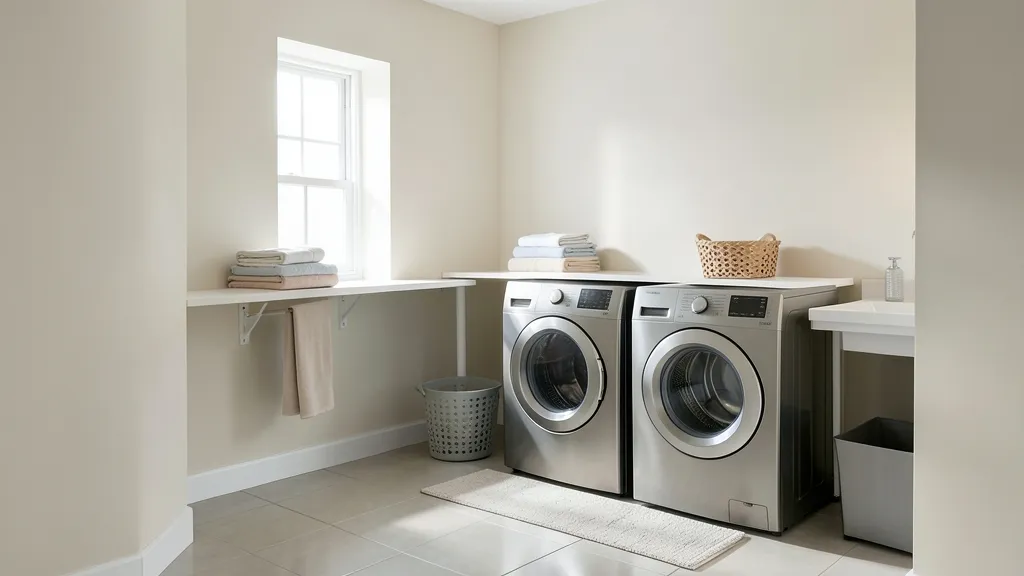
Bathrooms, kitchens, and laundry rooms see daily moisture. Exhaust fans are non-negotiable here, but many older homes lack them or have improperly vented systems.
Mold-Prone Zones to Monitor
- Attics (check for roof leaks and condensation)
- Crawl spaces and basements (inspect vapor barriers and drainage)
- Bathrooms (ensure exhaust fans vent outside)
- Kitchens (check under sinks and behind appliances)
- HVAC systems (replace filters; clean ducts if musty odors persist)
- Windows and door frames (look for seal failures and condensation)
How Climate and Seasonality Affect Mold Growth
Redington Beach’s hurricane season (June–November) brings heavy rains and flooding, creating ideal conditions for mold. Even a minor leak during a storm can go unnoticed until spores spread.
Summer’s high humidity (often 80%+) means indoor surfaces can stay damp longer. Dehumidifiers are essential, but they must be sized correctly for your square footage and emptied regularly.
Winter’s temperature swings can cause condensation on windows and in attics. This is less obvious but equally damaging over time, especially in poorly insulated homes.
After any major storm, inspect your roof, attic, and exterior walls for water intrusion. Request a quote for a professional mold inspection if you find dampness or odors.
When to Skip the Inspection and Go Straight to Remediation
If you discover active water damage—like a burst pipe or sewage backup—skip the inspection and call for water damage restoration immediately. Mold can start growing within a day.
Large visible mold patches (over 10 square feet) or mold in HVAC systems require professional remediation. DIY cleaning can disturb spores, spreading them further.
If occupants experience health symptoms, prioritize air quality testing and remediation. Some species, like Aspergillus, can trigger severe reactions in sensitive individuals.
Preventive Measures to Reduce Inspection Frequency
Aim for 30–50% indoors; use dehumidifiers in crawl spaces and basements. In Redington Beach, whole-home systems often pay off in the long run.
Improve airflow with exhaust fans in bathrooms and kitchens, and ensure your HVAC system is properly sized. Poor circulation creates dead zones where moisture accumulates.
Seal gaps around windows, doors, and roof penetrations. In coastal areas, salt air accelerates wear on caulk and weatherstripping—inspect these annually.
How to Perform a Basic Mold Check Between Professional Inspections
While not a substitute for professional testing, these steps help you monitor your home’s mold risk.
- 1Gather Tools
Use a moisture meter (under $50 to rent), flashlight, and a notepad to log findings. A thermal camera (optional) helps spot hidden moisture.
- 2Inspect High-Risk Areas
Check attics, crawl spaces, basements, and around plumbing fixtures. Look for discoloration, water stains, or musty odors.
- 3Test Moisture Levels
Use the moisture meter on walls, floors, and ceilings. Readings above 15–20% indicate potential issues; anything over 30% demands action.
- 4Check HVAC Systems
Remove and inspect air filters for mold or dust buildup. Shine a flashlight into ducts for visible growth or debris.
- 5Document and Act
Note any red flags with photos and locations. If you find moisture or mold, address the source (e.g., fix leaks) and request a professional inspection if the area exceeds 10 square feet.
Frequently Asked Questions
Does homeowners insurance cover mold inspections in Redington Beach?
Coverage varies by policy. Most standard policies exclude mold unless it’s a direct result of a covered peril, like a burst pipe. Flood-related mold typically requires separate flood insurance. Always check your policy and document water damage immediately.
Can I use bleach to clean mold in my bathroom?
Bleach kills surface mold but doesn’t penetrate porous materials like drywall or grout, where roots can regrow. For small, non-porous areas, a 1:10 bleach-water solution works, but larger or recurring issues need professional remediation to address the moisture source.
How does mold inspection differ for commercial properties in Redington Beach?
Commercial inspections often involve larger spaces, more complex HVAC systems, and stricter regulations (e.g., OSHA standards for employee safety). We use industrial-grade air samplers and may need to coordinate with building managers for access to mechanical rooms or tenant spaces.
What’s the difference between mold testing and mold inspection?
A mold inspection is a visual and technical assessment of your property for signs of mold and moisture. Mold testing (or air quality testing) collects samples to identify spore types and concentrations in the air or on surfaces. Both are often needed for a complete picture.
Are newer homes in Redington Beach less prone to mold?
Newer homes often have better moisture barriers and ventilation, but construction defects or improper installation can still create problems. For example, poorly sealed windows or inadequate attic ventilation can trap humidity, leading to mold within a few years.
How long does a professional mold inspection take?
A thorough inspection typically takes 1–3 hours, depending on the home’s size and complexity. Larger properties or those with crawl spaces and attics may require additional time. Lab results for air or surface samples usually arrive within 3–5 business days.